Artificial Roofing Systems That Outperform Conventional Roof Covering in the Midwest
The Midwest is not forgiving to roof coverings. A home in Chicagoland may see deep snow in January, wind-driven rainfall in April, intense UV and warm in July, then hail storm and freeze-thaw swings before the leaves are down. That kind of cycle exposes every powerlessness in a roof setting up. It appears first at fasteners, seams, ridges, valleys, flashing changes, and on any product that absorbs wetness or comes to be brittle with age.
That is why a lot more home owners, architects, and high-end builders are paying closer interest to synthetic roof. Not because they are stylish, and not because they mimic premium products at a reduced price factor, though some do. They are getting traction since specific items merely handle Midwestern weather condition far better than lots of conventional alternatives. When the item is defined appropriately and the artificial roof covering setup is done by knowledgeable crews, the result can be a roofing with solid influence resistance, lighter architectural need, even more regular appearance, and fewer maintenance migraines over time.
There is a lot of noise in this category, so it assists to be accurate. Not every artificial roof is exceptional artificial roof. Not every polymer tile belongs on a deluxe home. And not every contractor who claims they mount these products comprehends the details that make them work in the area. Performance comes from the entire system, not just the face of the tile or tile.
What "outperform" truly indicates in the Midwest
When house owners listen to that roofing system outmatches one more, they commonly presume it indicates longer lifespan alone. In practice, that is just component of the story. In the Midwest, a better roof earns its keep in numerous methods at once.
It sheds water accurately during wind-driven tornados. It withstands damage throughout hailstorm occasions. It tolerates thermal movement without crinkling, fracturing, or shedding placement. It holds shade and appearance rather than looking tired after a couple of hot summertimes. It additionally reduces the risk of surprise troubles, specifically moisture invasion around flashings and penetrations. On higher-end homes, appearance matters also. A roof covering that looks flat, chalky, or irregular after a decade is not actually executing, also if it technically still maintains water out.
Traditional roofing materials each have strengths. Asphalt shingles come and acquainted. Cedar has warmth and personality. All-natural slate is stunning and resilient. Clay and concrete floor tile create an unique building appearance. But each of those products likewise comes with restrictions that come to be more obvious under Midwestern conditions.
Asphalt can shed granules, fold in wind, and experience during repeated freeze-thaw exposure as it ages. Cedar demands upkeep and can divide, mug, or assistance moss if problems are right. Slate is phenomenal in lots of respects but really hefty, expensive to repair, and not every framework is framed for it. Tile manages warm well, yet brittle damage in cooler environments or under impact is an actual concern.
The finest synthetic roof are developed to attend to those weak points without producing brand-new ones.
Why artificial products have moved past "imitation"
A decade or more back, synthetic roof covering typically brought an online reputation for looking excessively produced up close. Some very early items did. The appearance was too repeated, sides were also consistent, and the shade lacked deepness. That has changed considerably at the premium end of the market.
Today's architectural artificial roof covering items are typically engineered from advanced polymers, composite resins, or recycled material mixes with UV stabilizers and impact-resistant formulations. The very best versions do not just simulate cedar shake, slate, or floor tile. They reinterpret those accounts in such a way that maintains the visual richness while boosting consistency and climate resistance.
On a current high-end residential task, the owners desired the appearance of hand-split cedar without the maintenance schedule that usually follows it. The house had steep gables, several valleys, and a greatly designed whole lot where falling branches were a concern. A premium artificial roof covering shake profile made sense. When installed, the darkness lines and staggered sizes gave the roofing system the variation the designer wanted, but the product itself was less prone to fracturing and moisture absorption than natural timber. That is the kind of sensible compromise synthetic products deal with very well.
For artificial roof for deluxe homes, appearances are not second. In a lot of cases, they are the reason the conversation starts. Yet the products that genuinely attract attention are the ones that couple aesthetic depth with trustworthy field performance.
The Midwest punishes weight, brittleness, and water absorption
One reason synthetic roofings can exceed typical roofings is basic physics. A lot of artificial roof covering roof shingles and tiles are considerably lighter than all-natural slate or clay ceramic tile. That matters in older Midwestern housing supply, where architectural retrofitting can add significant expense to a roof covering replacement. If a home owner loves the slate appearance but the framework was never ever made for real stone, a quality artificial slate account can open up a choice that would certainly or else be impractical.
Lower weight likewise impacts installation logistics. It minimizes taking care of strain, can make hosting much easier, and locations less long-term tension on the structure. That is not an alternative to proper underlayment, fastening, and ventilation, however it is still an advantage.
Brittleness is another problem. In environments with freezing temperatures, effect occasions tell the truth regarding roofing products really swiftly. Hail storm does not land pleasantly, and neither do branches tossed by straight-line winds. Lots of artificial roofing systems are engineered for high impact resistance. That can imply fewer fractures, much less aesthetic damages, and sometimes a better opportunity of preventing premature artificial roofing replacement after a serious storm.
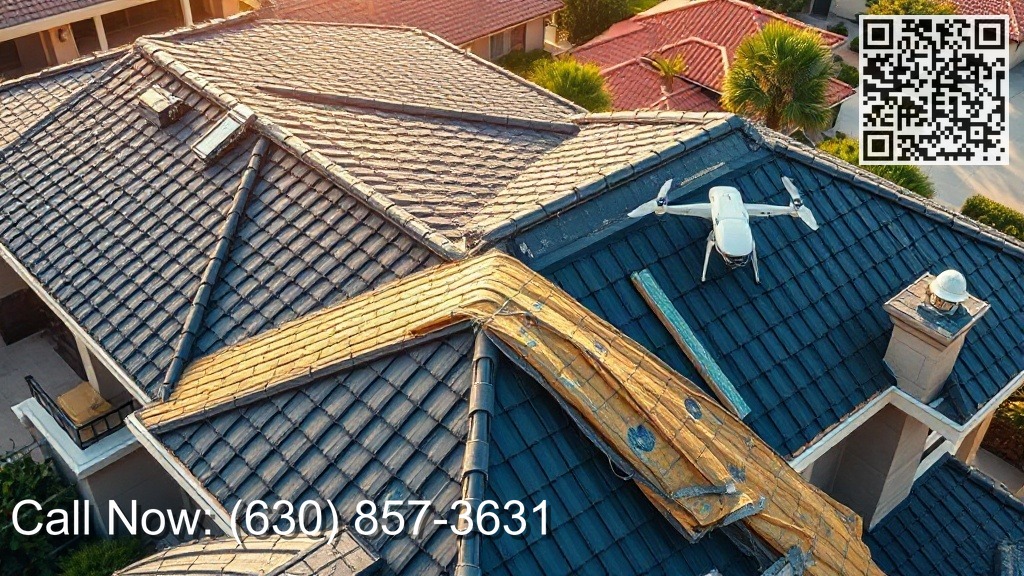
Water absorption is where some typical materials battle quietly in time. Products that handle dampness can suffer much more throughout freeze-thaw cycles. Growth, tightening, and surface area destruction do not constantly announce themselves as soon as possible. An artificial roofing system, specifically one made from low-absorption composite products, avoids that problem by design.
Where synthetic roofing radiates most
The greatest applications for household artificial roofing in the Midwest have a tendency to come under a couple of clear categories. Historic-style homes that desire quaint appearance without old-world delicacy are one. High-value custom-made homes are an additional. Homes surrounded by fully grown trees, homes subjected to open up wind corridors, and homes where the proprietors expect a cleaner, more consistent look over time additionally benefit.
Here are the scenarios where artificial roofing systems commonly make the most feeling:
- Homes seeking slate, shake, or ceramic tile aesthetic appeals without the structural problem of the natural material.
- Properties in hail-prone locations where influence resistance matters as long as aesthetic appeal.
- Custom constructs where the engineer desires texture and measurement that common asphalt can not deliver.
- Older homes that need a synthetic roofing system substitute without adding major framing upgrades.
- Luxury homes where long-term appearance and decreased maintenance bring actual value.
Those classifications overlap often. In markets like synthetic roof covering Chicago and artificial roof covering Naperville IL, it is common to see homeowners stabilizing weather condition worries, HOA standards, and the desire to maintain a specific building character.
Synthetic slate, artificial shake, and developer profiles
Not all synthetics are attempting to do the same work. Broadly speaking, the highest-performing products in the Midwest come under three households: slate-look accounts, shake-look accounts, and designer roof shingles that create measurement beyond standard asphalt.
Synthetic slate often tends to work especially well on Tudor, French Nation, Colonial, and specific modern homes that require crisp roofing lines and refined texture. A good artificial slate profile stays clear of the excessive uniformity that gives away lower-end products. Try to find different widths, subtle density changes, and combined pigmentation rather than a level monochrome field.
Synthetic shake profiles are perfect where property owners like the heat of cedar yet do not want the maintenance burden, fire worries, or weathering changability of wood. On larger roofings, this classification can be particularly efficient due to the fact that it creates shadow and range. Succeeded, it aids a roof really feel symmetrical to your home rather than like a thin cap sitting on top of it.
Architectural synthetic roof covering likewise includes items that do not purely copy one natural product. Some are suggested to supply a premium, dimensional roof covering aircraft with cleaner lines and contemporary outlining. That can be a smart alternative for transitional homes where conventional cedar or slate visuals would certainly really feel too heavy.
The key is matching account to design. An artificial roofer that understands layout will steer a house owner away from an item that performs well technically but looks wrong on the house. That judgment matters more than people realize.
Installation is where great products either prosper or fail
Even superb materials can underperform when installed thoughtlessly. I have seen costs roof coverings endangered by fundamental blunders: misaligned starter programs, improperly integrated flashing, valley details constructed for rate as opposed to water drainage, and ridge air vent systems that were not stabilized with correct consumption ventilation.
Synthetic roof installers need to comply with supplier specs closely due to the fact that securing patterns, exposure, accessory components, and temperature level factors to consider can differ from basic asphalt techniques. Some products require specific spacing allowances for activity. Some call for exclusive hip and ridge devices. Some need precise taking care of to prevent noticeable pattern repetition or field distortion.
That is why choosing the right synthetic roofing business matters as long as choosing the item. A qualified artificial professional roofer should be able to discuss exactly how they deal with ice-and-water membrane positioning, valley building, https://waylonpfkw107.keystonescope.com/posts/exactly-how-a-synthetic-roofer-evaluates-weather-related-roof-covering-risks pipeline blinking changes, attic air flow, and the describing at walls and smokeshafts. If the answers remain obscure, that is a warning sign.
In north Illinois, this is especially important. A synthetic professional roofer Chicagoland house owners can trust ought to fit managing ice dam risk, wind direct exposure around lake-influenced weather condition patterns, and the peculiarities of older framing that are common in recognized neighborhoods.
The underlayment bundle additionally deserves interest. A roof covering system is not simply what you see from the road. In many Midwest applications, high-temperature ice-and-water defense in vulnerable locations, synthetic underlayment across the field, and carefully picked steel information become part of what makes the whole setting up resilient. Saving cash under the surface product frequently sets you back even more later.
How synthetics compare to asphalt, cedar, slate, and tile
Asphalt still has a place. For lots of homes, a well-made architectural asphalt roof shingles offers sound worth. But it seldom provides the exact same dimensional visibility as costs artificial roof covering, and sought after weather condition it can show age quicker. Granule loss, softened edges, and visual incongruity are common by the middle years of the roofing's life, particularly on sun-heavy exposures.
Cedar has unrivaled natural appeal, particularly on timeless homes. It likewise requests for regard. Ventilation, therapy, upkeep, and climate direct exposure all impact how cedar ages. Some proprietors like the weathered character. Others are disappointed when the roof covering looks unequal after a stretch of wet periods and severe winters. Artificial shake is often the response for those who desire the cedar appearance with far much less unpredictability.
Natural slate continues to be among the fantastic roof covering materials. On the best structure, set up by real experts, it can outlive almost every little thing else. Yet it is costly, hefty, and repair services need a reducing swimming pool of tradespeople who recognize how to deal with it effectively. For lots of homeowners, synthetic slate supplies most of the aesthetic benefit with less architectural and logistical complications.
Tile is comparable. Genuine clay and concrete tile are beautiful, but their performance account fits some environments far better than others. In freeze-thaw regions, material choice and setup quality end up being vital. Artificial tile options supply a means to preserve the shape and design while lowering damage risk and installation burden.
Outperforming traditional roof does not suggest every artificial beats every all-natural product in every category. It implies the very best synthetic roofing systems typically provide a far better complete package for actual Midwestern conditions and house owner priorities.
The look inquiry, because aesthetic appeal still drives decisions
Many house owners begin this search with performance in mind, then make the final decision based on look. That is affordable. The roofing system can represent a big share of a home's visual impact.
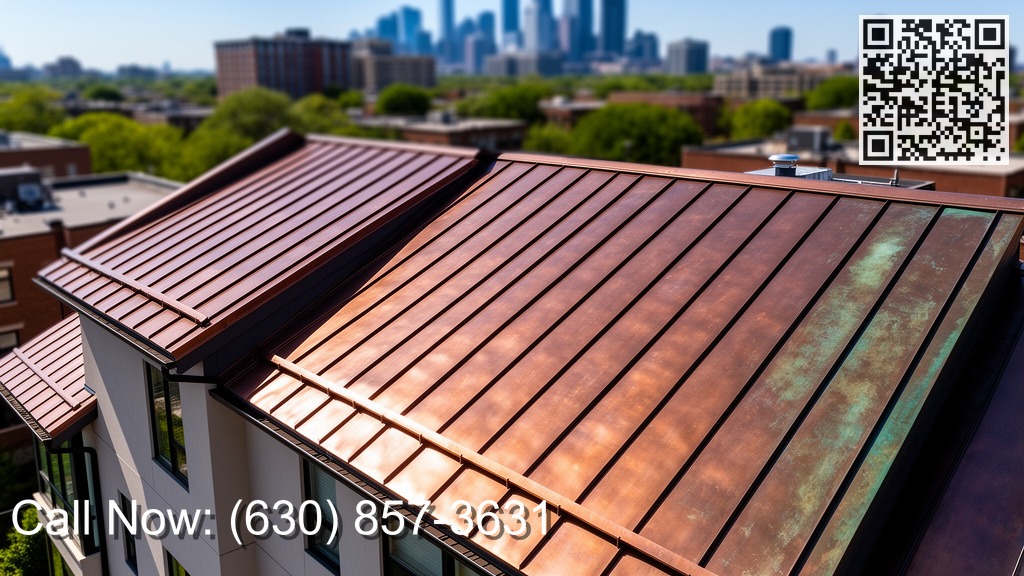
This is where costs artificial roof covering has separated itself from product products. Much better lines have richer color blends, more natural side variation, less shine, and accessory items that do not look like a second thought. From the ground, and also from the eave line, the difference can be striking.
For artificial roofing Chicago projects, I have actually noticed that customers of higher-end homes are progressively conscious roofings that look "home builder grade," even when your house itself is not. A meticulously selected artificial roof can boost a home's outside in a manner that normal laminated asphalt usually can not. That matters in affordable areas, and it certainly matters for home owners intending to remain long enough to care about exactly how the roof covering will search in year 10, not just week one.
Cost, value, and the real math over time
Synthetic roofing systems generally cost much more upfront than standard asphalt. That part is evident. The better question is what the property owner gets in return.
The worth suggestion commonly includes longer service expectations, reduced upkeep compared to cedar, less architectural concerns compared with slate or floor tile, and stronger resistance to usual Midwest stressors such as hail and freeze-thaw biking. There can also be insurance implications depending upon item rankings and the carrier, though that varies sufficient that it must never be assumed.
A house owner taking into consideration artificial roof replacement must likewise think about second expenses. If a natural slate or ceramic tile option activates design testimonial or structural reinforcement, the spending plan modifications quickly. If cedar needs ongoing therapy or repair work focus, the life time price picture changes there too. In some cases superior synthetic roofing is not the least expensive roof theoretically, but it ends up being the most rational roofing when all the connected prices are counted.
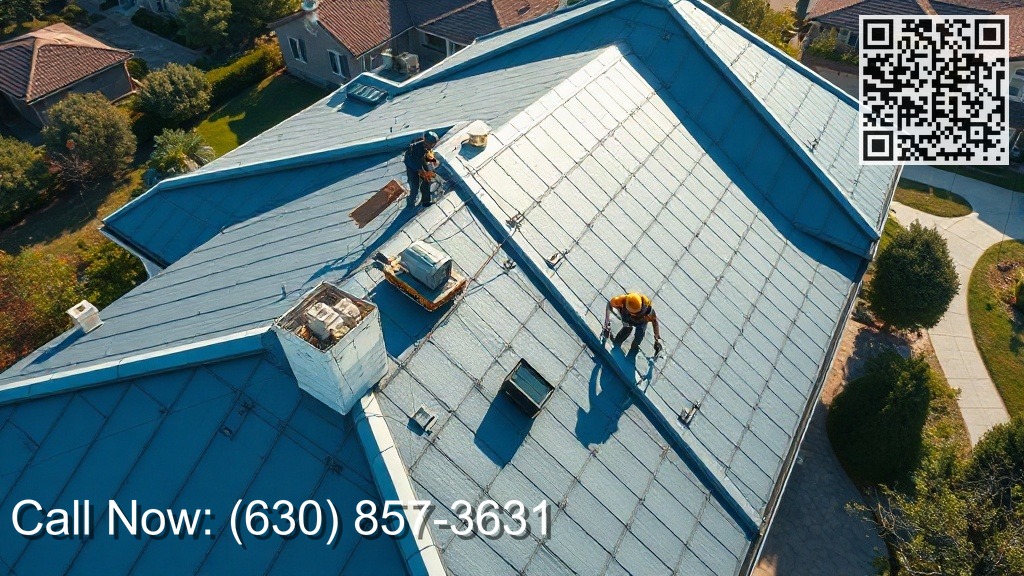
This is where a reliable synthetic roof covering firm earns its charge. Good service providers speak with those trade-offs truthfully. They do not market every property owner the same assembly. They ask the length of time the proprietors prepare to stay, exactly how important exact historical look is, just how much upkeep they agree to handle, and what past storm damage has looked like on the property.
What to ask before picking a system
If you are comparing items and professionals, a few questions reveal a great deal extremely rapidly. Ask what profile the specialist thinks finest fits the house and why. Ask whether the staff has actually installed that particular item previously, not simply "synthetic roofing systems" in general. Ask exactly how they manage valley waterproofing, air flow technique, flashing substitute, and cold-weather scheduling.
Most notably, ask to see finished neighborhood job that has actually remained in service for several years. Fresh installments always look excellent. The real test is whether the roof still festinates after a couple of winter seasons, a hailstorm season, and the typical dust and sunlight exposure of Midwestern life.
A solid artificial roofer should be comfortable talking about not simply the roof covering, but the complete roofing system. That consists of decking problem, insulation and air flow communication, underlayment choice, accessory compatibility, and lasting service. Those conversations are where expert judgment shows.
The Midwest is precisely where the best artificial roof makes sense
There are regions where conventional products stay the default for evident reasons. The Midwest is a lot more challenging. This environment asks a great deal from roofing systems, and property owners are best to look for materials that can handle severe weather without surrendering building character.
That is the strongest case for contemporary synthetic roof tiles and composite profiles. They allow property owners to pursue the appearance of cedar, slate, or ceramic tile while preventing most of the downsides those materials carry in a requiring environment. When selected very carefully and set up by skilled artificial roofing system installers, they can provide a better mix of resilience, layout versatility, and lasting appearance than many heritage roof choices.
For home owners in markets such as synthetic roofing Naperville IL or the wider Chicagoland area, that equilibrium is specifically appealing. You do not need to choose between a roof that looks costs and a roof that behaves smartly under Midwest climate stress. The very best artificial roofing systems do both.
That does not indicate every synthetic product belongs on every home. It implies the classification has actually matured. There are now reputable, well-engineered options that should have to be thought about along with cedar, slate, ceramic tile, and high-end asphalt. In many Midwestern applications, they are no more the compromise option. They are the smarter one.
When Quality Matters
Salvo Architectural Roofing Contractors
566 West 5th Ave Naperville, IL 60563
(630) 857-3631
 Ask ChatGPT
 Ask Grok
 Ask Perplexity
 Ask Claude
 Ask Google AI
 Ask You